คู่มือทดสอบบุคลิกภาพ MBTI: ทำความเข้าใจประเภทของคุณ ฟังก์ชันการรู้คิด และการเติบโต
คู่มือฉบับสมบูรณ์เกี่ยวกับ MBTI — อธิบายฟังก์ชันการรู้คิดของจุง บุคลิกภาพทั้ง 16 แบบพร้อมรูปแบบความเครียดและการเติบโต วิธีเลือกแบบทดสอบที่เชื่อถือได้ และสิ่งที่รหัสสี่ตัวอักษรไม่สามารถบอกได้
วิทยาศาสตร์การรู้คิดเบื้องหลังการทดสอบ MBTI
จากทฤษฎีบุคลิกภาพของจุงสู่แบบทดสอบ MBTI สมัยใหม่
การทดสอบ MBTI ไม่ได้เริ่มต้นจากทีมการตลาดหรือแบบทดสอบออนไลน์ที่แพร่หลายทางอินเทอร์เน็ต แต่เริ่มต้นจากผลงานของคาร์ล จุง ในปี ค.ศ. 1921 เรื่อง Psychological Types ซึ่งเขาเสนอว่าจิตสำนึกทำงานผ่านหน้าที่หลักสี่ประการ ได้แก่ การคิด ความรู้สึก การรับรู้ทางประสาทสัมผัส และสัญชาตญาณ โดยแต่ละอย่างสามารถมุ่งเข้าสู่ภายใน (introverted) หรือออกสู่ภายนอก (extraverted) จุงไม่ได้กำลังเขียนกรอบแนวคิดเพื่อการพัฒนาตนเอง เขากำลังพยายามทำแผนที่โครงสร้างของพลังงานทางจิต โดยอาศัยการสังเกตทางคลินิกเป็นเวลาหลายปีและการเผชิญหน้ากับสิ่งที่เขาเรียกว่า 'การเผชิญหน้ากับจิตไร้สำนึก'
การพัฒนาประเภทบุคลิกภาพตลอดช่วงชีวิต
ความหมายของสายเลือดนี้มีความสำคัญ: การทดสอบ MBTI ไม่ใช่ทฤษฎีบุคลิกภาพที่ถูกคิดค้นขึ้นมาลอยๆ แต่เป็นการนำแบบจำลองทางปัญญาที่ลึกซึ้งกว่ามาปฏิบัติใช้ เมื่อนักวิจารณ์โจมตีรหัสสี่ตัวอักษรราวกับว่ามันเป็นทฤษฎีทั้งหมด พวกเขากำลังโจมตีส่วนติดต่อผู้ใช้แทนที่จะเป็นโครงสร้างพื้นฐาน รหัสสี่ตัวอักษรคือการบีบอัดของชุดฟังก์ชันทางปัญญาที่สมบูรณ์กว่า — ชุดฟังก์ชันที่เราสำรวจอย่างละเอียดในบทความของเราเกี่ยวกับ ฟังก์ชันทางปัญญาในความสัมพันธ์ การเข้าใจความแตกต่างนี้คือก้าวแรกสู่การใช้การวินิจฉัย MBTI อย่างชาญฉลาดแทนที่จะใช้อย่างงมงาย
MBTI แตกต่างจาก Big Five, DISC และ Enneagram อย่างไรในเชิงวิธีการ
เหนือกว่าตัวอักษรสี่ตัว — การใช้ผลลัพธ์ของคุณอย่างชาญฉลาด
MBTI มีจุดยืนด้านระเบียบวิธีที่แตกต่าง แทนที่จะวางคุณบนเส้นต่อเนื่อง มันจัดประเภทคุณเป็นหนึ่งในสิบหกประเภทตามสี่ขั้วตรงข้าม วิธีการแบบแบ่งหมวดหมู่นี้แลกเปลี่ยนความแม่นยำทางจิตวิทยามิติเพื่อความสะดวกในการจดจำ — รหัสสี่ตัวอักษรนั้นจำและพูดคุยได้ง่ายกว่าคะแนนเปอร์เซ็นไทล์ห้าค่า DISC วัดรูปแบบพฤติกรรมในบริบทเฉพาะ (โดยปกติคือการสื่อสารในที่ทำงาน) และเป็นไปตามสถานการณ์อย่างชัดเจน ในขณะที่ Enneagram อธิบายความกลัวและความปรารถนาที่เป็นแรงจูงใจหลักมากกว่ารูปแบบการประมวลผลทางความคิด
นัยก็คือไม่มีกรอบงานใดที่ 'ถูกต้อง' พวกมันเป็นเลนส์ที่มีความยาวโฟกัสต่างกัน MBTI มีประโยชน์อย่างยิ่งสำหรับการทำความเข้าใจว่ามีคนรับข้อมูลและตัดสินใจอย่างไร — ชั้นการรับรู้ — ในขณะที่ Big Five นั้นดีกว่าสำหรับการทำนายผลลัพธ์ทางสถิติ และ Enneagram นั้นดีกว่าสำหรับการขุดค้นรูปแบบแรงจูงใจ ความเข้าใจตนเองอย่างซับซ้อนใช้กรอบงานหลายอย่างในการสนทนาร่วมกัน แทนที่จะปฏิบัติต่อกรอบใดกรอบหนึ่งว่าเป็นภาพเหมือนที่สมบูรณ์
ทำไม MBTI ถึงใช้คำถามแบบบังคับเลือก
หากคุณเคยทำแบบทดสอบ MBTI และถูกขอให้เลือกระหว่างสองตัวเลือกที่น่าสนใจพอๆ กัน — 'ฉันชอบใช้เวลากับเพื่อนสนิทไม่กี่คน' กับ 'ฉันชอบงานสังสรรค์ขนาดใหญ่' — คุณได้พบกับรูปแบบคำถามบังคับเลือกแล้ว นี่ไม่ใช่ความเกียจคร้านของผู้ออกแบบแบบทดสอบ คำถามบังคับเลือกเป็นทางเลือกเชิงระเบียบวิธีที่จงใจออกแบบมาเพื่อต่อต้านอคติสองประการที่ได้รับการบันทึกไว้อย่างดีในการวัดผลด้วยตนเอง: อคติแนวโน้มสู่ศูนย์กลาง (ที่ผู้ตอบหลีกเลี่ยงจุดสุดโต่ง) และอคติความปรารถนาทางสังคม (ที่ผู้ตอบเลือกคำตอบที่ทำให้พวกเขาดูดี)
โดยการบังคับให้เลือกระหว่างสองข้อความที่มีคุณค่าทางสังคมใกล้เคียงกัน รูปแบบนี้บีบให้ผู้ตอบเปิดเผยความชอบที่แท้จริงแทนที่จะเลือกอย่างกลางๆ การแลกเปลี่ยนคือคำถามบังคับเลือกสูญเสียความละเอียด — พวกมันไม่สามารถวัดความแข็งแกร่งของความชอบได้ มีเพียงทิศทางเท่านั้น นี่คือสาเหตุหนึ่งที่คะแนน MBTI บางครั้งไม่เสถียรสำหรับผู้ที่อยู่ใกล้จุดกึ่งกลางของขั้วตรงข้าม คนที่เก็บตัว 51% และแสดงออก 49% อย่างแท้จริงอาจเปลี่ยนระหว่าง INTP และ ENTP ในการทำแบบทดสอบหลายครั้งโดยไม่มีการเปลี่ยนแปลงบุคลิกภาพจริงๆ
แบบทดสอบ MBTI สมัยใหม่ รวมถึงการประเมิน MBTI อย่างเป็นทางการที่เผยแพร่โดย The Myers-Briggs Company พยายามบรรเทาปัญหานี้โดยเพิ่มการจัดอันดับความมั่นใจหรือความแข็งแกร่งให้กับแต่ละข้อ แบบทดสอบออนไลน์ฟรี รวมถึงแบบทดสอบ 16Personalities ที่ได้รับความนิยม มักจะข้ามขั้นตอนนี้เพื่อความกระชับ — ซึ่งเป็นสาเหตุหนึ่งที่ผลลัพธ์ฟรีอาจรู้สึกไม่เสถียร เราจะกลับมาที่เรื่องนี้เมื่อเราพูดถึงวิธีการเลือกแบบทดสอบ MBTI
การถกเถียงเรื่องความน่าเชื่อถือและความถูกต้อง: สิ่งที่นักวิจารณ์เข้าใจถูกและผิด
การวิพากษ์วิจารณ์ทางวิชาการของ MBTI เป็นที่รู้จักกันดีและถูกต้องบางส่วน การศึกษาความน่าเชื่อถือในการทดสอบซ้ำแสดงให้เห็นว่าประมาณ 50% ของผู้คนได้รับรหัสสี่ตัวอักษรที่แตกต่างกันเมื่อทำการทดสอบซ้ำภายในห้าสัปดาห์ ขั้วตรงข้ามมีความสัมพันธ์อย่างมากกับมิติของ Big Five (การเก็บตัว-การแสดงออกกับมิติแสดงออกของ Big Five, สัญชาตญาณ-ประสาทสัมผัสกับมิติเปิดรับประสบการณ์, การคิด-ความรู้สึกกับมิติเห็นอกเห็นใจ, การตัดสินใจ-การรับรู้กับมิติมีสติ) ซึ่งหมายความว่า MBTI กำลังวัดสิ่งที่มีอยู่จริง แต่ทิ้งข้อมูลขนาดที่ Big Five เก็บรักษาไว้
อย่างไรก็ตาม สิ่งที่นักวิจารณ์มักเข้าใจผิดคือสมมติฐานที่ว่าความน่าเชื่อถือในการทดสอบซ้ำที่ต่ำทำให้ทฤษฎีพื้นฐานเป็นโมฆะ กรอบงานของจุงไม่เคยเกี่ยวกับหมวดหมู่คงที่ — มันเกี่ยวกับรูปแบบพลวัตของพลังงานทางจิต กองการทำงานของการรับรู้อธิบายวิถีการพัฒนา ไม่ใช่อัตลักษณ์ที่ตายตัว INTP อายุ 25 ปีที่ความรู้สึกแบบแสดงออก (Fe) ที่ด้อยกว่าเริ่มปรากฏ อาจตอบคำถามที่เกี่ยวข้องกับความรู้สึกแตกต่างออกไปเมื่ออายุ 35 ปี ไม่ใช่เพราะประเภทของพวกเขาเปลี่ยนไป แต่เพราะความสัมพันธ์ของพวกเขากับกองการทำงานของตนเองเติบโตเต็มที่ เราสำรวจความเป็นจริงด้านการพัฒนานี้ในส่วนที่ 4
การวิพากษ์วิจารณ์ที่ซื่อสัตย์กว่านั้นไม่ใช่การที่ MBTI ไม่ถูกต้อง แต่เป็นการที่มันถูกใช้ในทางที่ผิดบ่อยครั้งในฐานะป้ายระบุอัตลักษณ์ที่ตายตัว ในขณะที่มันถูกออกแบบให้เป็นแผนที่การพัฒนา ความคงอยู่ของกรอบงานนี้ในการฝึกอบรมองค์กร การให้คำปรึกษาคู่รัก และบริบทการค้นพบตนเอง — แม้จะมีข้อสงสัยทางวิชาการ — เป็นหลักฐานในตัวมันเองว่ามันจับบางสิ่งที่ผู้คนพบว่ามีประโยชน์ แม้ว่าสิ่งนั้นจะไม่ใช่สิ่งที่นักจิตวิทยามิติจะเรียกว่า 'การวัดลักษณะนิสัย'
ทำไม MBTI ถึงคงอยู่แม้จะมีการวิพากษ์วิจารณ์ทางวิชาการ
ประโยชน์ในทางปฏิบัติและความบริสุทธิ์ทางจิตวิทยามิติไม่ใช่สิ่งเดียวกัน กรอบงานสามารถไม่สมบูรณ์แบบทางสถิติและยังคงสร้างข้อมูลเชิงลึกที่มีประโยชน์ได้ เช่นเดียวกับแผนที่วาดด้วยมืออาจมีประโยชน์มากกว่าพิกัดดาวเทียมสำหรับการนำทางในละแวกบ้านใดบ้านหนึ่ง MBTI คงอยู่เพราะมันนำเสนอสิ่งที่ Big Five ไม่มี: คำศัพท์สำหรับกระบวนการรับรู้ที่ละเอียดพอที่จะมีประโยชน์และน่าจดจำพอที่จะนำไปใช้
เมื่อ INTP พูดว่า 'Fe ที่ด้อยกว่าของฉันกำลังแสดงอาการ' พวกเขากำลังสื่อสารบางสิ่งที่เฉพาะเจาะจงและนำไปปฏิบัติได้เกี่ยวกับสภาวะภายในของพวกเขา — สภาวะที่คะแนนเปอร์เซ็นไทล์ของ Big Five ไม่สามารถอธิบายได้ เมื่อคู่รักเรียนรู้ว่าฝ่ายหนึ่งนำด้วยการรับรู้ผ่านประสาทสัมผัสแบบเก็บตัวและอีกฝ่ายนำด้วยสัญชาตญาณแบบแสดงออก พวกเขาได้รับภาษาร่วมกันสำหรับรูปแบบความขัดแย้งที่เกิดขึ้นซ้ำซึ่งก่อนหน้านี้รู้สึกเหมือนเป็นข้อบกพร่องของตัวละคร นี่คือประโยชน์ในทางปฏิบัติที่ทำให้ MBTI ยังคงมีความเกี่ยวข้อง และเป็นเหตุผลที่ แบบทดสอบความเข้ากันได้ MBTI ของเราใช้การวิเคราะห์การทำงานของการรับรู้มากกว่าการจับคู่ตัวอักษร หากคุณสนใจว่ารูปแบบการรับรู้เหล่านี้แสดงออกอย่างไรในความสัมพันธ์จริง แบบทดสอบความเข้ากันได้ MBTI ของเราจะวิเคราะห์ปฏิสัมพันธ์ของกองการทำงานในด้านการสื่อสาร ความขัดแย้ง และความต้องการทางอารมณ์
วิธีเลือกแบบทดสอบ MBTI
ปัญหาของแบบทดสอบ MBTI "ทางการ" กับแบบฟรี
คำถามว่าควรทำแบบทดสอบ MBTI ใดนั้นถูกถามโดยผู้คนนับล้านทุกเดือนทั่วโลก คำตอบที่ซื่อสัตย์นั้นซับซ้อนกว่า "จ่ายเงินเพื่อซื้อแบบทดสอบทางการ" The Myers-Briggs Company อนุญาตให้ใช้การประเมิน MBTI อย่างเป็นทางการ ซึ่งดำเนินการโดยผู้ปฏิบัติงานที่ได้รับการรับรองและโดยทั่วไปมีราคาระหว่าง 50 ถึง 200 ดอลลาร์ การประเมินนี้มีพื้นฐานทางจิตวิทยามิติที่แข็งแกร่งที่สุด รวมถึงการวิเคราะห์ข้อคำถามและการศึกษาเกณฑ์ปกติ แต่ก็ไม่สามารถเข้าถึงได้สำหรับผู้ใช้ทั่วไปส่วนใหญ่
แบบทดสอบ MBTI ฟรีแพร่หลายเพราะทฤษฎีพื้นฐานเป็นสาธารณสมบัติและความต้องการมีมหาศาล ปัญหาคือแบบทดสอบฟรีมีคุณภาพแตกต่างกันอย่างมาก บางชิ้นเป็นเครื่องมือที่สร้างขึ้นอย่างระมัดระวังซึ่งใกล้เคียงกับตรรกะของการประเมินทางการ บางชิ้นเป็นแบบทดสอบสิบคำถามที่ออกแบบมาเพื่อเพิ่มการแสดงโฆษณาให้สูงสุดเป็นหลัก ผู้ใช้ไม่มีวิธีง่ายๆ ในการบอกความแตกต่างจากหน้าแรก ซึ่งเป็นเหตุผลว่าทำไมการทำความเข้าใจว่าอะไรทำให้แบบทดสอบ MBTI ที่ดีจึงมีความสำคัญ
ทำไม 16Personalities ถึงกลายเป็นที่นิยม — และการประนีประนอมทางระเบียบวิธีของมัน
16Personalities เป็นแบบทดสอบที่ใกล้เคียงกับ MBTI ที่ได้รับความนิยมมากที่สุดในโลก โดยมีผู้ทำสิบล้านครั้งต่อปี ความเป็นผู้นำนั้นสมควรได้รับในแง่หนึ่ง: แบบทดสอบมีการออกแบบที่ดีทางสายตา ฟรี รวดเร็ว และให้ผลลัพธ์ที่ดูเฉพาะเจาะจงและลึกซึ้ง คำอธิบายประเภทของเว็บไซต์เป็นหนึ่งในคำอธิบายที่เขียนได้ดีที่สุดในพื้นที่ MBTI ยอดนิยม
สิ่งที่ 16Personalities ไม่ได้โฆษณาคือมันไม่ใช่แบบทดสอบ MBTI อย่างเคร่งครัด มันใช้รหัส MBTI สี่ตัวอักษรเป็นป้ายกำกับ แต่จริงๆ แล้ววัดห้ามิติ — โดยเพิ่มมาตราส่วน 'อัตลักษณ์' ที่ห้า (Assertive vs Turbulent, แสดงด้วย -A หรือ -T) ที่ยืมมาจากงานวิจัยด้านโรคประสาทอย่างหลวมๆ การให้คะแนนพื้นฐานนั้นใกล้เคียงกับเครื่องมือ Big Five ที่แมปบนป้ายกำกับ MBTI มากกว่าการประเมินการทำงานของการรับรู้แบบ Jungian นี่ไม่ใช่สิ่งที่ไม่ดีโดยเนื้อแท้ — มันให้ผลลัพธ์ที่มีประโยชน์ — แต่มันหมายความว่าประเภทของ 16Personalities นั้นไม่เทียบเท่าโดยตรงกับประเภท MBTI ตามที่เข้าใจในทฤษฎีของจุง
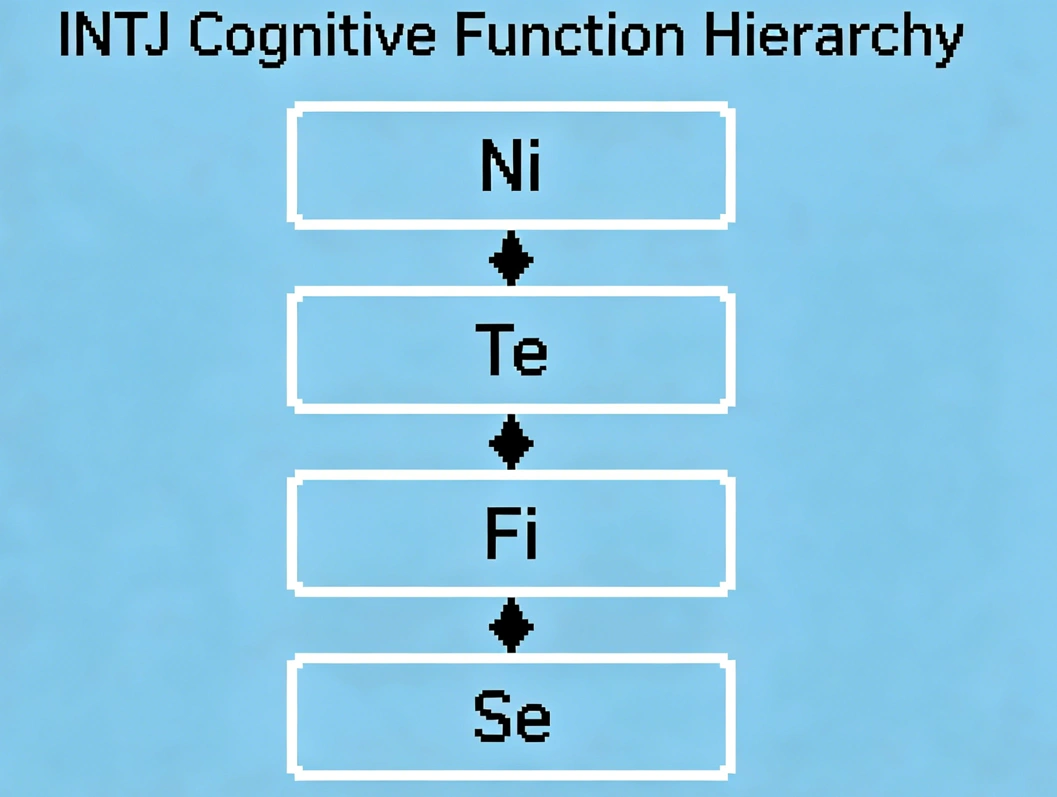
การประนีประนอมทางระเบียบวิธีมีนัยสำคัญสำหรับผู้ใช้ที่ต้องการใช้การวิเคราะห์การทำงานของการรับรู้ 'INTJ-A' ของ 16Personalities อาจมีหรือไม่มีกองการทำงานของการรับรู้ Ni-Te-Fi-Se ที่กำหนด INTJ ในแง่ของจุง หากคุณวางแผนที่จะใช้ผลลัพธ์ประเภทของคุณสำหรับการวิเคราะห์ความเข้ากันได้ การวางแผนอาชีพ หรืองานพัฒนาตนเองที่ลึกซึ้งยิ่งขึ้นซึ่งขึ้นอยู่กับกองการทำงาน คุณต้องมีแบบทดสอบที่อนุมานการทำงานของการรับรู้จริงๆ แทนที่จะแมปคะแนน Big Five กับป้ายกำกับ MBTI
อะไรทำให้แบบทดสอบ MBTI ดี: การให้คะแนนแบบขั้วตรงข้ามกับการอนุมานการทำงานของการรับรู้
มีสองแนวทางกว้างๆ ในการสร้างแบบทดสอบ MBTI แนวทางแรก การให้คะแนนแบบขั้วตรงข้าม ถามคำถามที่สอบสวนโดยตรงแต่ละขั้วตรงข้ามทั้งสี่ (E-I, S-N, T-F, J-P) และกำหนดประเภทตามว่าคุณตกอยู่ด้านใดของแต่ละขั้ว นี่คือแนวทางที่ใช้โดยการประเมิน MBTI อย่างเป็นทางการและโดยแบบทดสอบฟรีส่วนใหญ่ มันตรงไปตรงมาและเชื่อถือได้พอสมควรสำหรับผู้ที่มีความชอบที่ชัดเจน แต่มันถือว่าตัวอักษรสี่ตัวเป็นข้อมูลหลัก — ซึ่งอย่างที่เราได้เห็นแล้ว เป็นการบีบอัดของกองการทำงานของการรับรู้ที่อยู่เบื้องล่าง
แนวทางที่สอง การอนุมานการทำงานของการรับรู้ ถามคำถามที่ออกแบบมาเพื่อเผยให้เห็นว่าคุณใช้การทำงานของการรับรู้ใดจริงๆ และในลำดับใด คำถามเช่น 'เมื่อเผชิญกับปัญหาใหม่ คุณชอบที่จะระดมสมองหาความเป็นไปได้หลายๆ อย่าง หรือระบุผลลัพธ์ที่น่าจะเป็นไปได้มากที่สุดเพียงอย่างเดียว?' กำลังสอบสวนความแตกต่างระหว่างสัญชาตญาณแบบแสดงออก (Ne) และสัญชาตญาณแบบเก็บตัว (Ni) — ไม่ใช่แค่ขั้ว S-N เท่านั้น แนวทางนี้สร้างได้ยากกว่าแต่ให้ผลลัพธ์ที่แมปกับทฤษฎีของจุงได้โดยตรงมากกว่า และมีประโยชน์มากกว่าสำหรับงานด้านความเข้ากันได้และการพัฒนา
แบบทดสอบ MBTI ที่ดีอย่างแท้จริงผสมผสานทั้งสองแนวทาง: การให้คะแนนแบบขั้วตรงข้ามเพื่อความเสถียร และการอนุมานการทำงานของการรับรู้เพื่อความลึก นอกจากนี้ยังรายงานช่วงความเชื่อมั่นเพื่อให้คุณรู้ว่าคุณเป็นประเภทใดประเภทหนึ่งอย่างชัดเจนหรืออยู่ใกล้ขอบเขต หากแบบทดสอบให้รหัสสี่ตัวอักษรเดียวแก่คุณโดยไม่มีข้อบ่งชี้ว่าความชอบแต่ละอย่างแข็งแกร่งเพียงใด นั่นคือธงสีแดง
ธงสีแดงในแบบทดสอบ MBTI
สัญญาณเตือนหลายอย่างบ่งชี้ว่าแบบทดสอบนั้นเป็นความบันเทิงมากกว่าการประเมิน แบบทดสอบที่มีน้อยกว่า 30 ข้อ มักจะมีข้อคำถามไม่เพียงพอที่จะวัดสี่ขั้วตรงข้ามได้อย่างน่าเชื่อถือ — การประเมิน MBTI อย่างเป็นทางการใช้ 93 ข้อด้วยเหตุผล แบบทดสอบที่มีเพียงปลายสุดสองขั้ว ('คุณเป็นนักคิดหรือนักรู้สึก') ไม่สนใจความจริงที่ว่าคนส่วนใหญ่อยู่ตรงกลางของมิติส่วนใหญ่ แบบทดสอบที่ไม่มีบริบทตามสถานการณ์ ('คุณชอบปาร์ตี้ไหม?') วัดพฤติกรรมผิวเผินมากกว่าความชอบทางการรับรู้ ซึ่งเป็นสาเหตุที่ทำให้ได้ผลลัพธ์ที่ไม่เสถียร
ธงสีแดงอื่นๆ ได้แก่ แบบทดสอบที่ขออีเมลก่อนแสดงผลลัพธ์ (มักเป็นรูปแบบการเก็บรวบรวมข้อมูล) แบบทดสอบที่แสดงคำอธิบายประเภทก่อนที่คุณจะตอบ (เป็นการชี้นำคำตอบของคุณ) และแบบทดสอบที่สัญญาคำแนะนำเฉพาะด้านอาชีพหรือความสัมพันธ์โดยอิงจากตัวอักษรสี่ตัวของคุณเท่านั้น ไม่มีสิ่งใดที่จำเป็นต้องหมายความว่าแบบทดสอบนั้นไร้ประโยชน์ แต่มันบ่งบอกว่าเป้าหมายหลักของแบบทดสอบไม่ใช่การวัดบุคลิกภาพที่แม่นยำ
วิธีตีความผลลัพธ์ของคุณจากแบบทดสอบหลายๆ ครั้ง
แนวทางปฏิบัติสำหรับผู้ใช้ที่จริงจังคือการทำแบบทดสอบ MBTI หลายๆ ครั้งและมองหารูปแบบแทนที่จะเชื่อถือผลลัพธ์เดียว หากแบบทดสอบสามแบบที่แตกต่างกันให้ผลลัพธ์เป็น INTP อย่างสม่ำเสมอ คุณอาจเป็น INTP หากคุณได้ INTP จากแบบทดสอบหนึ่ง INTJ จากอีกแบบหนึ่ง และ INFP จากแบบทดสอบที่สาม คำอธิบายที่เป็นไปได้มากที่สุดคือคุณอยู่ใกล้ขอบเขตระหว่างการคิดและความรู้สึก และระหว่างการตัดสินใจและการรับรู้ — ในกรณีนี้ กองการทำงานของการรับรู้ของคุณมีข้อมูลมากกว่ารหัสสี่ตัวอักษรของคุณ
ให้ความสนใจกับคำถามที่รู้สึกว่าตอบยาก ข้อที่คุณไม่สามารถเลือกระหว่างสองตัวเลือกได้จริงๆ มักจะทำเครื่องหมายขอบเขตระหว่างการทำงานของการรับรู้สองอย่างในกองของคุณ และมันมีประโยชน์ในการวินิจฉัยมากกว่าข้อที่คุณตอบอย่างมั่นใจ หากคุณต้องการการวิเคราะห์เชิงลึกว่ากองการทำงานเฉพาะของคุณมีปฏิสัมพันธ์กับของบุคคลอื่นอย่างไร แบบทดสอบความเข้ากันได้ MBTI ของเราจะตรวจสอบพลวัตระดับการทำงานแทนที่จะพึ่งพาการจับคู่ตัวอักษร สำหรับการประเมินที่ครอบคลุมซึ่งเกินกว่าการระบุประเภท แบบทดสอบความเข้ากันได้ MBTI ฟรี ของเราจะตรวจสอบว่าการทำงานของการรับรู้ของคุณมีปฏิสัมพันธ์กับผู้อื่นอย่างไรในหลายมิติ
16 ประเภทบุคลิกภาพ — รายการที่สมบูรณ์
ส่วนนี้ครอบคลุมบุคลิกภาพทั้งสิบหกแบบของ MBTI ซึ่งจัดกลุ่มตามอารมณ์สี่แบบของ Kiersey ได้แก่ นักวิเคราะห์ (Analysts) นักการทูต (Diplomats) ผู้พิทักษ์ (Sentinels) และนักสำรวจ (Explorers) ซึ่งรวมประเภทที่มีลักษณะการคิดร่วมกัน สำหรับแต่ละประเภท เราจะอธิบายรูปแบบการคิดหลัก การตอบสนองต่อความเครียด เส้นทางการพัฒนาตลอดช่วงชีวิต และการระบุผิดที่พบบ่อยที่สุด
นักวิเคราะห์ (ประเภท NT)
INTJ — สถาปนิก: INTJ นำด้วยสัญชาตญาณภายใน (Ni) ซึ่งเป็นฟังก์ชันที่สังเคราะห์ข้อมูลเป็นวิสัยทัศน์ภายในระยะยาว ในขณะที่สัญชาตญาณภายนอกแตกแขนงออกไปสู่ความเป็นไปได้ Ni จะรวมเข้าสู่เส้นทางเดียว ซึ่งเป็นเหตุผลว่าทำไม INTJ มักถูกอธิบายว่ามองเห็นว่าสิ่งต่างๆ กำลังมุ่งหน้าไปทางไหนก่อนคนอื่น ฟังก์ชันเสริมคือการคิดภายนอก (Te) ที่จัดระเบียบโลกภายนอกเพื่อดำเนินการตามวิสัยทัศน์นั้น ในขณะที่ความรู้สึกภายในระดับตติยภูมิ (Fi) ให้เข็มทิศทางศีลธรรมส่วนตัว และการรับรู้ภายนอกระดับรอง (Se) เป็นฟังก์ชันที่พัฒนาน้อยที่สุด
ภายใต้ความเครียด Se ระดับรองของ INTJ สามารถปะทุออกมาเป็นการตามใจประสาทสัมผัสที่ผิดปกติ — การกินมากเกินไป การใช้จ่ายฟุ่มเฟือย การหมกมุ่นกับรายละเอียดทางกายภาพ — หรือการตื่นตัวมากเกินไปแบบหวาดระแวงเกี่ยวกับสภาพแวดล้อมภายนอก 'สภาวะถูกครอบงำของ INTJ' ที่มีชื่อเสียงคือประสบการณ์ของการติดอยู่ในสภาวะฟังก์ชันรองนี้ ในด้านการพัฒนา INTJ มักจะรวม Fi ระดับตติยภูมิของตนในช่วงอายุสามสิบถึงสี่สิบ ทำให้ปรับตัวเข้ากับค่านิยมส่วนบุคคลมากขึ้นและมีกลยุทธ์น้อยลง พวกเขามักถูกระบุผิดเป็น INTP โดยเฉพาะอย่างยิ่งเมื่อ Te ของพวกเขายังพัฒนาไม่เต็มที่และพวกเขาแสดงออกในเชิงวิเคราะห์มากกว่าเชิงปฏิบัติ
INTP — นักตรรกะ: INTP นำด้วยการคิดภายใน (Ti) ซึ่งเป็นฟังก์ชันที่สร้างกรอบตรรกะภายในและแสวงหาคำจำกัดความที่แม่นยำ ในขณะที่ Te จัดระเบียบโลกภายนอก Ti จัดระเบียบโลกภายใน ซึ่งเป็นเหตุผลว่าทำไม INTP มักสนใจที่จะเข้าใจว่าสิ่งต่างๆ ทำงานอย่างไร มากกว่าที่จะนำไปใช้ ฟังก์ชันเสริมคือสัญชาตญาณภายนอก (Ne) ที่สร้างความเป็นไปได้ให้กับเครื่องยนต์ Ti ประเมิน ความรู้สึกภายนอกระดับตติยภูมิ (Fe) ให้ความตระหนักรู้ทางสังคมขั้นพื้นฐาน และการรับรู้ภายนอกระดับรอง (Se) เป็นฟังก์ชันที่พัฒนาน้อยที่สุด
ภายใต้ความเครียด INTP สามารถตกอยู่ในสิ่งที่บางครั้งเรียกว่า 'สภาวะถูกครอบงำของ Fe' — การระเบิดอารมณ์ที่ผิดปกติ ความกังวลหมกมุ่นว่าคนอื่นมองพวกเขาอย่างไร หรือความไวต่อการถูกปฏิเสธทางสังคมอย่างกะทันหัน ในด้านการพัฒนา INTP มักจะรวม Fe ระดับตติยภูมิของตนในช่วงอายุสามสิบ ทำให้อบอุ่นและเชี่ยวชาญทางสังคมมากขึ้นโดยไม่สูญเสียแกนหลักเชิงวิเคราะห์ พวกเขามักถูกระบุผิดเป็น INTJ เมื่อ Ne ของพวกเขาพัฒนาดีและพวกเขาแสดงออกในเชิงวิสัยทัศน์มากกว่าเชิงตรรกะล้วนๆ หรือเป็น INFP เมื่อกรอบ Ti ของพวกเขาใกล้เคียงกับค่านิยม
ENTJ — ผู้บัญชาการ: ENTJ นำด้วยการคิดภายนอก (Te) ซึ่งเป็นฟังก์ชันที่จัดระเบียบระบบภายนอกเพื่อประสิทธิภาพและผลลัพธ์ที่วัดได้ ENTJ เป็นผู้บริหารโดยธรรมชาติ ไม่ใช่เพราะพวกเขาปรารถนาอำนาจเพื่อตัวมันเอง แต่เพราะพวกเขามองว่าความไร้ประสิทธิภาพเป็นปัญหาที่ต้องแก้ไขและเต็มใจรับผิดชอบในการแก้ไข ฟังก์ชันเสริมคือสัญชาตญาณภายใน (Ni) ที่ให้การมองการณ์ไกลเชิงกลยุทธ์ ความรู้สึกภายในระดับตติยภูมิ (Fi) เป็นความรู้สึกทางศีลธรรมส่วนตัวที่พัฒนาขึ้นในช่วงหลังของชีวิต และการรับรู้ภายในระดับรอง (Si) เป็นฟังก์ชันที่พัฒนาน้อยที่สุด
ภายใต้ความเครียด ENTJ สามารถตกอยู่ใน 'สภาวะถูกครอบงำของ Fi' — การครุ่นคิดที่ผิดปกติ การตัดสินทางศีลธรรมอย่างกะทันหัน หรือความไวต่อการถูกโจมตีส่วนตัวที่รับรู้ได้ สิ่งนี้น่าตกใจเพราะบุคลิกภาพหลักของ Te มักจะเด็ดขาดและไม่เป็นส่วนตัว ในด้านการพัฒนา ENTJ รวม Fi ระดับตติยภูมิของตนในช่วงวัยกลางคน ทำให้ไตร่ตรองมากขึ้นและขับเคลื่อนด้วยผลลัพธ์น้อยลง พวกเขามักถูกระบุผิดเป็น ESTJ เมื่อ Ni ของพวกเขายังพัฒนาไม่เต็มที่ หรือเป็น ENTP เมื่อ Te ของพวกเขาถูกบดบังด้วยการนำเสนอทางสังคมที่สนุกสนานมากขึ้น
ENTP — นักโต้วาที: ENTP นำด้วยสัญชาตญาณภายนอก (Ne) ซึ่งเป็นฟังก์ชันที่สำรวจความเป็นไปได้ รูปแบบ และความเชื่อมโยงในโลกภายนอก ENTP มักถูกอธิบายว่าเป็นคนที่มีความคิด — ไม่ใช่เพราะพวกเขามีความคิดมากกว่าประเภทอื่น แต่เพราะพวกเขามีพลังจากการนำเสนอและทดสอบความคิดในการสนทนา ฟังก์ชันเสริมคือการคิดภายใน (Ti) ที่ประเมินความคิดเหล่านั้นเพื่อความสอดคล้องภายใน ความรู้สึกภายนอกระดับตติยภูมิ (Fe) ให้ความคล่องตัวทางสังคม และการรับรู้ภายในระดับรอง (Si) เป็นฟังก์ชันที่พัฒนาน้อยที่สุด
ภายใต้ความเครียด ENTP สามารถตกอยู่ใน 'สภาวะถูกครอบงำของ Si' — การหมกมุ่นกับรายละเอียด การครุ่นคิดถึงความล้มเหลวในอ หรือความแข็งกร้าวเกี่ยวกับกิจวัตรและสภาพแวดล้อมทางกายภาพอย่างกะทันหัน สิ่งนี้แตกต่างอย่างมากกับโหมดปกติที่กว้างขวางและมุ่งเน้นความเป็นไปได้ ในด้านการพัฒนา ENTP รวม Fe ระดับตติยภูมิของตนในช่วงอายุสามสิบ ทำให้ปรับตัวเข้ากับผลกระทบทางสังคมมากขึ้นและโต้แย้งน้อยลง พวกเขามักถูกระบุผิดเป็น ENFP เมื่อ Ti ของพวกเขายังพัฒนาไม่เต็มที่ หรือเป็น ENTJ เมื่อ Ne ของพวกเขาถูกช่องทางไปสู่กิจการเฉพาะ
นักการทูต (ประเภท NF)
INFJ — ผู้สนับสนุน: INFJ นำด้วยสัญชาตญาณภายใน (Ni) ซึ่งเป็นฟังก์ชันการรวมเข้าด้วยกันแบบเดียวกับที่กำหนด INTJ แต่ถูกชี้นำผ่านความรู้สึกภายนอกเสริม (Fe) ที่อ่านและประสานกับสภาวะอารมณ์ของผู้อื่น การรวมกันนี้สร้างความขัดแย้งที่มีชื่อเสียงของ INFJ: บุคคลที่เป็นส่วนตัวอย่างลึกซึ้งซึ่งในขณะเดียวกันก็ปรับตัวเข้ากับบรรยากาศทางอารมณ์รอบตัวได้อย่างผิดปกติ การคิดภายในระดับตติยภูมิ (Ti) ให้การสนับสนุนเชิงวิเคราะห์ และการรับรู้ภายนอกระดับรอง (Se) เป็นฟังก์ชันที่พัฒนาน้อยที่สุด
ภายใต้ความเครียด INFJ สามารถตกอยู่ใน 'สภาวะถูกครอบงำของ Se' — การรับรู้ทางประสาทสัมผัสที่มากเกินไป พฤติกรรมหุนหันพลันแล่น หรือการมีส่วนร่วมกับโลกทางกายภาพอย่างหมกมุ่นในแบบที่รู้สึกแปลกแยกจากโหมดการไตร่ตรองตามปกติของพวกเขา ในด้านการพัฒนา INFJ รวม Ti ระดับตติยภูมิของตนในช่วงอายุสามสิบถึงสี่สิบ ทำให้มีพื้นฐานเชิงวิเคราะห์มากขึ้นและใช้สัญชาตญาณน้อยลง พวกเขาเป็นประเภทที่หายากที่สุดในสิบหกประเภทตามการประมาณส่วนใหญ่ ซึ่งมีส่วนทำให้เกิดความลึกลับ — และการระบุผิดบ่อยครั้ง พวกเขามักถูกเข้าใจผิดว่าเป็น INFP (เมื่อ Fe ของพวกเขาถูกปิดเสียง) หรือ INTJ (เมื่อ Ti ของพวกเขาพัฒนาดี)
INFP — ผู้ไกล่เกลี่ย: INFP นำด้วยความรู้สึกภายใน (Fi) ซึ่งเป็นฟังก์ชันที่ประมวลผลการตัดสินใจผ่านระบบค่านิยมส่วนบุคคลที่ลึกซึ้ง ในขณะที่ Fe ประสานกับสภาวะอารมณ์ภายนอก Fi รักษาความถูกต้องภายใน — ซึ่งเป็นเหตุผลว่าทำไม INFP มักถูกอธิบายว่าเป็นประเภทที่จริงใจที่สุดในบรรดาทุกประเภท ฟังก์ชันเสริมคือสัญชาตญาณภายนอก (Ne) ที่สร้างความเป็นไปได้ การรับรู้ภายในระดับตติยภูมิ (Si) ให้ความทรงจำส่วนบุคคลและประเพณี และการคิดภายนอกระดับรอง (Te) เป็นฟังก์ชันที่พัฒนาน้อยที่สุด
ภายใต้ความเครียด INFP สามารถตกอยู่ใน 'สภาวะถูกครอบงำของ Te' — การวิจารณ์อย่างรุนแรง การทำรายการอย่างหมกมุ่น หรือความต้องการประสิทธิภาพอย่างกะทันหันที่รู้สึกผิดปกติ ในด้านการพัฒนา INFP รวม Si ระดับตติยภูมิของตนในช่วงวัยกลางคน ทำให้มีพื้นฐานในประวัติส่วนตัวและกิจวัตรมากขึ้น พวกเขามักถูกระบุผิดเป็น INFJ (เมื่อ Ne ของพวกเขาพัฒนาดีและพวกเขาแสดงออกในเชิงวิสัยทัศน์) หรือเป็น ISFP (เมื่อ Ne ของพวกเขาถูกปิดเสียงและพวกเขาแสดงออกในเชิงสุนทรียะล้วนๆ)
ENFJ — ตัวเอก: ENFJ นำด้วยความรู้สึกภายนอก (Fe) ซึ่งเป็นฟังก์ชันที่อ่านและกำหนดบรรยากาศทางอารมณ์ของกลุ่ม ENFJ เป็นผู้นำโดยธรรมชาติ ไม่ใช่เพราะพวกเขาแสวงหาอำนาจ แต่เพราะพวกเขามีทักษะที่ผิดปกติในการจัดแนวพลังงานของกลุ่มไปสู่จุดประสงค์ร่วมกัน ฟังก์ชันเสริมคือสัญชาตญาณภายใน (Ni) ที่ให้วิสัยทัศน์ระยะยาว การคิดภายในระดับตติยภูมิ (Ti) พัฒนาขึ้นในภายหลังเพื่อเป็นสนับสนุนเชิงวิเคราะห์ และการรับรู้ภายในระดับรอง (Si) เป็นฟังก์ชันที่พัฒนาน้อยที่สุด
ภายใต้ความเครียด ENFJ สามารถตกอยู่ใน '‘ภาวะถูกครอบงำของ Ti' — การวิจารณ์เชิงตรรกะที่รุนแรงต่อตนเองและผู้อื่น การวิเคราะห์อย่างหมกมุ่น หรือการถอนตัวทางอารมณ์อย่างกะทันหัน ในด้านการพัฒนา ENFJ รวม Ti ระดับตติยภูมิของตนในช่วงวัยกลางคน ทำให้มีวิจารณญาณเชิงวิเคราะห์มากขึ้นและมีความสัมพันธ์น้อยลง พวกเขามักถูกระบุผิดเป็น ESFJ (เมื่อ Ni ของพวกเขายังพัฒนาไม่เต็มที่) หรือเป็น ENFP (เมื่อ Fe ของพวกเขาถูกบดบังด้วยการนำเสนอที่สนุกสนานมากขึ้น)
ENFP — นักรณรงค์: ENFP นำด้วยสัญชาตญาณภายนอก (Ne) ซึ่งเป็นฟังก์ชันความเป็นไปได้ที่กว้างขวางแบบเดียวกับที่กำหนด ENTP แต่ถูกชี้นำผ่านความรู้สึกภายในเสริม (Fi) ที่กรองความเป็นไปได้ผ่านค่านิยมส่วนบุคคล ENFP มักถูกอธิบายว่าเป็นคนเปิดเผยที่เก็บตัวมากที่สุด — Ne ของพวกเขาเป็นแบบเปิดเผย แต่ Fi ของพวกเขาต้องการการประมวลผลภายในอย่างมีนัยสำคัญ การคิดภายนอกระดับตติยภูมิ (Te) ให้การสนับสนุนด้านองค์กร และการรับรู้ภายในระดับรอง (Si) เป็นฟังก์ชันที่พัฒนาน้อยที่สุด
ภายใต้ความเครียด ENFP สามารถตกอยู่ใน 'สภาวะถูกครอบงำของ Si' คล้ายกับ ENTP — การมุ่งเน้นรายละเอียดอย่างหมกมุ่น การครุ่นคิดถึงอดีต หรือความแข็งกร้าวอย่างกะทันหัน ในด้านการพัฒนา ENFP รวม Te ระดับตติยภูมิของตนในช่วงอายุสามสิบ ทำให้มีความสามารถในการดำเนินการตามความคิดของตนมากขึ้น แทนที่จะสร้างขึ้นมาเท่านั้น พวกเขามักถูกระบุผิดเป็น ENTP (เมื่อ Fi ของพวกเขาถูกปิดเสียง) หรือเป็น INFJ (เมื่อ Ne ของพวกเขาพัฒนาดีและพวกเขาแสดงออกในเชิงวิสัยทัศน์)
ผู้พิทักษ์ (ประเภท SJ)
ISTJ — นักโลจิสติกส์: ISTJ นำด้วยการรับรู้ภายใน (Si) ซึ่งเป็นฟังก์ชันที่เปรียบเทียบประสบการณ์ปัจจุบันกับฐานข้อมูลภายในของประสบการณ์ในอดีต นี่คือที่มาของชื่อเสียงของ ISTJ ในด้านความน่าเชื่อถือและประเพณี — พวกเขานำทางโดยสิ่งที่เคยได้ผลมาก่อน ฟังก์ชันเสริมคือการคิดภายนอก (Te) ที่จัดระเบียบโลกภายนอกอย่างมีประสิทธิภาพ ความรู้สึกภายในระดับตติยภูมิ (Fi) ให้เข็มทิศทางศีลธรรมส่วนตัว และสัญชาตญาณภายนอกระดับรอง (Ne) เป็นฟังก์ชันที่พัฒนาน้อยที่สุด
ภายใต้ความเครียด ISTJ สามารถตกอยู่ใน 'สภาวะถูกครอบงำของ Ne' — การคิดถึงสถานการณ์เลวร้ายที่สุด ความหวาดระแวงเกี่ยวกับความเป็นไปได้ในอนาคต หรือความสนใจในแนวคิดที่ไม่ธรรมดาอย่างกะทันหัน ในด้านการพัฒนา ISTJ รวม Fi ระดับตติยภูมิของตนในช่วงวัยกลางคน ทำให้ปรับตัวเข้ากับค่านิยมส่วนบุคคลมากขึ้นและขับเคลื่อนด้วยหน้าที่น้อยลง พวกเขามักถูกระบุผิดเป็น INTJ (เมื่อ Te ของพวกเขาพัฒนาดีและพวกเขาแสดงออกในเชิงกลยุทธ์มากขึ้น) หรือเป็น ISFJ (เมื่อ Te ของพวกเขาถูกปิดเสียงและพวกเขาแสดงออกในเชิงดูแลมากขึ้น)
ISFJ — ผู้ปกป้อง: ISFJ นำด้วยการรับรู้ภายใน (Si) ซึ่งเป็นฟังก์ชันเดียวกับ ISTJ แต่ถูกชี้นำผ่านความรู้สึกภายนอกเสริม (Fe) ที่ใส่ใจความต้องการของผู้อื่น ISFJ มักถูกอธิบายว่าเป็นผู้ดูแลของระบบประเภท — ไม่ใช่เพราะพวกเขาเฉื่อยชา แต่เพราะการรวมกันของ Si-Fe ของพวกเขาสร้างความเอาใจใส่อย่างลึกซึ้งต่อความต้องการเฉพาะของบุคคลเฉพาะตามสิ่งที่เคยได้ผลมาก่อน การคิดภายในระดับตติยภูมิ (Ti) ให้การสนับสนุนเชิงวิเคราะห์ และสัญชาตญาณภายนอกระดับรอง (Ne) เป็นฟังก์ชันที่พัฒนาน้อยที่สุด
ภายใต้ความเครียด ISFJ สามารถตกอยู่ใน 'สภาวะถูกครอบงำของ Ne' คล้ายกับ ISTJ — การคิดถึงหายนะ ความวิตกกังวลเกี่ยวกับความเป็นไปได้ในอนาคต หรือความสนใจในแนวคิดที่ไม่มีพื้นฐานอย่างกะทันหัน ในด้านการพัฒนา ISFJ รวม Ti ระดับตติยภูมิของตนในช่วงวัยกลางคน ทำให้มีวิจารณญาณเชิงวิเคราะห์มากขึ้นและประนีประนอมน้อยลง พวกเขามักถูกระบุผิดเป็น INFJ (เมื่อ Si ของพวกเขาปรากฏเป็นสัญชาตญาณ) หรือเป็น ESFJ (เมื่อ Fe ของพวกเขาเด่นในการนำเสนอทางสังคม)
ESTJ — ผู้บริหาร: ESTJ นำด้วยการคิดภายนอก (Te) ซึ่งเป็นฟังก์ชันเดียวกับ ENTJ แต่ถูกชี้นำผ่านการรับรู้ภายในเสริม (Si) ที่ยึดการตัดสินใจในแบบอย่างที่กำหนดไว้ ESTJ เป็นผู้บริหารโดยธรรมชาติ — พวกเขาจัดระเบียบระบบภายนอกตามมาตรฐานที่พิสูจน์แล้ว ความรู้สึกภายในระดับตติยภูมิ (Fi) พัฒนาขึ้นในภายหลังเป็นความรู้สึกทางศีลธรรมส่วนตัว และสัญชาตญาณภายในระดับรอง (Ni) เป็นฟังก์ชันที่พัฒนาน้อยที่สุด
ภายใต้ความเครียด ESTJ สามารถตกอยู่ใน 'สภาวะถูกครอบงำของ Fi' — การเทศนาทางศีลธรรมที่ผิดปกติ ความไวต่อการดูถูกส่วนตัวที่รับรู้ได้อย่างกะทันหัน หรือการครุ่นคิดว่าพวกเขาได้รับการปฏิบัติอย่างยุติธรรมหรือไม่ ในด้านการพัฒนา ESTJ รวม Fi ระดับตติยภูมิของตนในช่วงวัยกลางคน ทำให้ปรับตัวเข้ากับค่านิยมส่วนบุคคลมากขึ้นและขับเคลื่อนด้วยกฎน้อยลง พวกเขามักถูกระบุผิดเป็น ENTJ (เมื่อ Si ของพวกเขาถูกปิดเสียงและพวกเขาแสดงออกในเชิงวิสัยทัศน์มากขึ้น) หรือเป็น ESTP (เมื่อ Te ของพวกเขาถูกบดบังด้วยการนำเสนอที่มุ่งเน้นการกระทำมากขึ้น)
ESFJ — กงสุล: ESFJ นำด้วยความรู้สึกภายนอก (Fe) ซึ่งเป็นฟังก์ชันเดียวกับ ENFJ แต่ถูกชี้นำผ่านการรับรู้ภายในเสริม (Si) ที่ยึดความสามัคคีทางสังคมในประเพณีที่กำหนดไว้ ESFJ คือกาวทางสังคมของหลายชุมชน — พวกเขาจำวันเกิด จัดการรวมตัว และรักษาโครงสร้างความสัมพันธ์ การคิดภายในระดับตติยภูมิ (Ti) พัฒนาขึ้นในภายหลังเพื่อเป็นสนับสนุนเชิงวิเคราะห์ และสัญชาตญาณภายในระดับรอง (Ni) เป็นฟังก์ชันที่พัฒนาน้อยที่สุด
ภายใต้ความเครียด ESFJ สามารถตกอยู่ใน 'สภาวะถูกครอบงำของ Ti' — การวิจารณ์เชิงตรรกะที่รุนแรง การวิเคราะห์แรงจูงใจของผู้อื่นอย่างหมกมุ่น หรือการถอนตัวทางอารมณ์อย่างกะทันหัน ในด้านการพัฒนา ESFJ รวม Ti ระดับตติยภูมิของตนในช่วงวัยกลางคน ทำให้มีวิจารณญาณมากขึ้นและประนีประนอมน้อยลง พวกเขามักถูกระบุผิดเป็น ENFJ (เมื่อ Si ของพวกเขาถูกปิดเสียงและพวกเขาแสดงออกในเชิงวิสัยทัศน์มากขึ้น) หรือเป็น ISFJ (เมื่อ Fe ของพวกเขาสงวนไว้ในการนำเสนอทางสังคมมากขึ้น)
นักสำรวจ (ประเภท SP)
ISTP — นักฝีมือ: ISTP นำด้วยการคิดภายใน (Ti) ซึ่งเป็นฟังก์ชันเดียวกับ INTP แต่ถูกชี้นำผ่านการรับรู้ภายนอกเสริม (Se) ที่มีส่วนร่วมโดยตรงกับโลกทางกายภาพ ISTP มักถูกอธิบายว่าเป็นช่างฝีมือและช่างเครื่องของระบบประเภท — พวกเขาเข้าใจระบบโดยการแยกชิ้นส่วนและประกอบกลับเข้าไปใหม่ สัญชาตญาณภายในระดับตติยภูมิ (Ni) ให้ข้อมูลเชิงลึกตามสัญชาตญาณ และความรู้สึกภายนอกระดับรอง (Fe) เป็นฟังก์ชันที่พัฒนาน้อยที่สุด
ภายใต้ความเครียด ISTP สามารถตกอยู่ใน 'สภาวะถูกครอบงำของ Fe' — การระเบิดอารมณ์ที่ผิดปกติ ความกังวลเกี่ยวกับการรับรู้ทางสังคมอย่างกะทันหัน หรือความไวต่อการถูกปฏิเสธ ในด้านการพัฒนา ISTP รวม Ni ระดับตติยภูมิของตนในช่วงวัยกลางคน ทำให้ปรับตัวเข้ากับรูปแบบระยะยาวมากขึ้นและตอบสนองน้อยลง พวกเขามักถูกระบุผิดเป็น INTP (เมื่อ Se ของพวกเขาถูกปิดเสียงและพวกเขาแสดงออกในเชิงวิเคราะห์ล้วนๆ) หรือเป็น ESTP (เมื่อ Ti ของพวกเขาถูกบดบังด้วยการนำเสนอที่มุ่งเน้นการกระทำมากขึ้น)
ISFP — นักผจญภัย: ISFP นำด้วยความรู้สึกภายใน (Fi) ซึ่งเป็นฟังก์ชันเดียวกับ INFP แต่ถูกชี้นำผ่านการรับรู้ภายนอกเสริม (Se) ที่มีส่วนร่วมกับโลกทางสุนทรียะและทางกายภาพ ISFP มักถูกอธิบายว่าเป็นศิลปินของระบบประเภท — การรวมกันของ Fi-Se ของพวกเขาสร้างความปรับตัวอย่างลึกซึ้งต่อค่านิยมส่วนบุคคลที่แสดงออกผ่านประสบการณ์ทางประสาทสัมผัส สัญชาตญาณภายในระดับตติยภูมิ (Ni) ให้ข้อมูลเชิงลึกตามสัญชาตญาณ และการคิดภายนอกระดับรอง (Te) เป็นฟังก์ชันที่พัฒนาน้อยที่สุด
ภายใต้ความเครียด ISFP สามารถตกอยู่ใน 'สภาวะถูกครอบงำของ Te' — การวิจารณ์อย่างรุนแรง การจัดระเบียบอย่างหมกมุ่น หรือความต้องการประสิทธิภาพอย่างกะทันหัน ในด้านการพัฒนา ISFP รวม Ni ระดับตติยภูมิของตนในช่วงวัยกลางคน ทำให้ปรับตัวเข้ากับรูปแบบระยะยาวมากขึ้นและมุ่งเน้นปัจจุบันน้อยลง พวกเขามักถูกระบุผิดเป็น INFP (เมื่อ Se ของพวกเขาถูกปิดเสียงและพวกเขาแสดงออกในเชิงจินตนาการล้วนๆ) หรือเป็น ISTP (เมื่อ Fi ของพวกเขาถูกบดบังด้วยการนำเสนอเชิงวิเคราะห์มากขึ้น)
ESTP — ผู้ประกอบการ: ESTP นำด้วยการรับรู้ภายนอก (Se) ซึ่งเป็นฟังก์ชันที่มีส่วนร่วมโดยตรงกับช่วงเวลาปัจจุบันและสภาพแวดล้อมทางกายภาพ ESTP มักถูกอธิบายว่าเป็นผู้ลงมือทำของระบบประเภท — พวกเขาลงมือทำก่อนแล้วค่อยวิเคราะห์ ซึ่งทำให้พวกเขาเป็นผู้ประกอบการและผู้ตอบสนองต่อวิกฤตโดยธรรมชาติ ฟังก์ชันเสริมคือการคิดภายใน (Ti) ที่ประเมินการกระทำเพื่อความสอดคล้องภายใน ความรู้สึกภายนอกระดับตติยภูมิ (Fe) ให้ความคล่องตัวทางสังคม และสัญชาตญาณภายในระดับรอง (Ni) เป็นฟังก์ชันที่พัฒนาน้อยที่สุด
ภายใต้ความเครียด ESTP สามารถตกอยู่ใน 'สภาวะถูกครอบงำของ Ni' — การหารูปแบบอย่างหวาดระแวง การคาดการณ์หายนะ หรือความสนใจในการตีความทางจิตวิญญาณอย่างกะทันหัน ในด้านการพัฒนา ESTP รวม Fe ระดับตติยภูมิของตนในช่วงวัยกลางคน ทำให้ปรับตัวเข้ากับผลกระทบทางสังคมมากขึ้นและมุ่งเน้นการกระทำน้อยลง พวกเขามักถูกระบุผิดเป็น ENTP (เมื่อ Se ของพวกเขาถูกปิดเสียงและพวกเขาแสดงออกในเชิงความคิดมากขึ้น) หรือเป็น ESFP (เมื่อ Ti ของพวกเขาถูกบดบังด้วยการนำเสนอเชิงความสัมพันธ์มากขึ้น)
ESFP — นักแสดง: ESFP นำด้วยการรับรู้ภายนอก (Se) ซึ่งเป็นฟังก์ชันเดียวกับ ESTP แต่ถูกชี้นำผ่านความรู้สึกภายในเสริม (Fi) ที่กรองประสบการณ์ผ่านค่านิยมส่วนบุคคล ESFP มักถูกอธิบายว่าเป็นนักแสดงของระบบประเภท — การรวมกันของ Se-Fi ของพวกเขาสร้างการปรากฏตัวที่มีเสน่ห์ซึ่งปรับตัวเข้ากับเสียงสะท้อนทางอารมณ์ของช่วงเวลา การคิดภายนอกระดับตติยภูมิ (Te) ให้การสนับสนุนด้านองค์กร และสัญชาตญาณภายในระดับรอง (Ni) เป็นฟังก์ชันที่พัฒนาน้อยที่สุด
ภายใต้ความเครียด ESFP สามารถตกอยู่ใน 'สภาวะถูกครอบงำของ Ni' คล้ายกับ ESTP — การหารูปแบบอย่างหวาดระแวง การคาดการณ์หายนะ หรือความสนใจในการคิดแบบสมคบคิดอย่างกะทันหัน ในด้านการพัฒนา ESFP รวม Te ระดับตติยภูมิของตนในช่วงวัยกลางคน ทำให้มีความสามารถในการดำเนินการตามวิสัยทัศน์ของตนมากขึ้น แทนที่จะแสดงออกมาเท่านั้น พวกเขามักถูกระบุผิดเป็น ENFP (เมื่อ Se ของพวกเขาถูกปิดเสียงและพวกเขาแสดงออกในเชิงความคิดมากขึ้น) หรือเป็น ESTP (เมื่อ Fi ของพวกเขาถูกบดบังด้วยการนำเสนอที่มุ่งเน้นการกระทำมากขึ้น)
การพัฒนาประเภทตลอดช่วงชีวิต
กระบวนการปัจเจกบุคคลของจุงและการพัฒนาประเภท MBTI
แนวคิดเรื่องปัจเจกบุคคลของจุง — กระบวนการตลอดชีวิตของการเป็นตัวตนที่สมบูรณ์ — แมปโดยตรงกับการพัฒนาประเภท MBTI ในแบบที่มักถูกมองข้ามในการสนทนาทั่วไป จุงเสนอว่าช่วงครึ่งแรกของชีวิตถูกครอบงำโดยฟังก์ชันเด่นและฟังก์ชันเสริม: เราสร้างอัตลักษณ์รอบจุดแข็งของเราและใช้ฟังก์ชันรองเพื่อสนับสนุนอัตลักษณ์นั้น ช่วงครึ่งหลังของชีวิต ในมุมมองของจุง คือเวลาที่ฟังก์ชันรองและตติยภูมิเริ่มเรียกร้องการรวมเข้าด้วยกัน — กระบวนการที่มักจะไม่สบายใจแต่จำเป็นทางจิตวิทยา
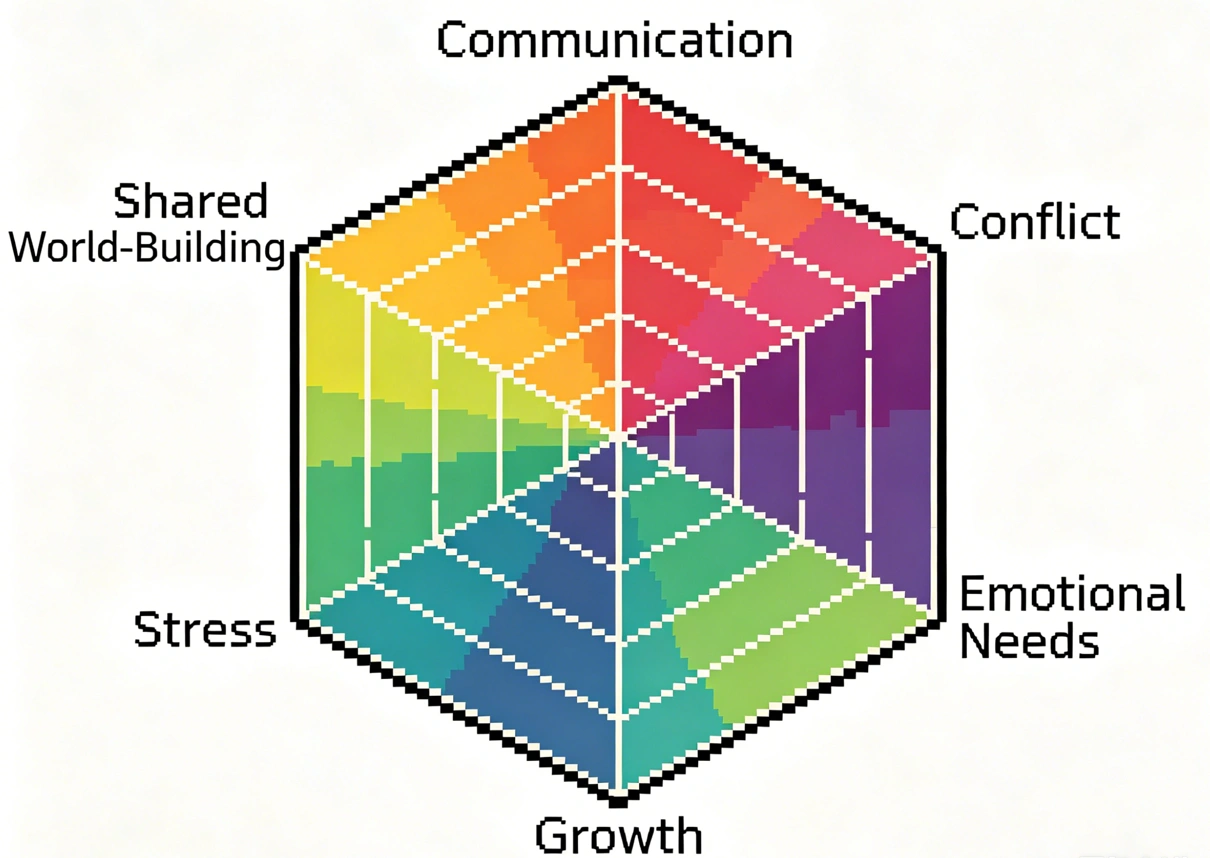
เมื่อแปลเป็นเงื่อนไข MBTI หมายความว่า INTJ หนุ่มสาวทำงานจาก Ni และ Te เป็นหลัก — สร้างวิสัยทัศน์และดำเนินการ ในวัยกลางคน Se ระดับรองและ Fi ระดับตติยภูมิเริ่มแสดงตัว เรียกร้องให้ INTJ ใส่ใจประสบการณ์ทางประสาทสัมผัสและค่านิยมส่วนบุคคลที่เคยถูกมองข้าม นี่ไม่ใช่การเปลี่ยนประเภท มันเป็นเส้นโค้งการพัฒนาตามธรรมชาติที่จุงอธิบาย และมันอธิบายว่าทำไม INTJ อายุ 45 ปีถึงรู้สึกเหมือนเป็นคนละคนกับ INTJ อายุ 25 ปี — แม้ว่าโครงสร้างฟังก์ชันพื้นฐานจะเหมือนกัน
ทำไมประเภทของคุณถึงรู้สึกแตกต่างเมื่ออายุ 25 เทียบกับ 45
ประสบการณ์ของ 'รู้สึกเหมือนเป็นประเภทอื่น' ในช่วงชีวิตที่แตกต่างกันเป็นหนึ่งในเหตุผลที่พบบ่อยที่สุดที่ผู้คนตั้งคำถามกับผล MBTI ของตน ENTP อายุ 25 ปีที่ยังไม่ได้รวม Fe ระดับตติยภูมิของตนอาจแสดงออกในเชิงโต้แย้งและขับเคลื่อนด้วยความเป็นไปได้ล้วนๆ — สอดคล้องกับภาพลักษณ์ 'นักโต้วาที' ENTP คนเดียวกันเมื่ออายุ 45 ปี หลังจากรวม Fe และเริ่มมีส่วนร่วมกับ Si ระดับรอง อาจแสดงออกว่าอบอุ่น มีพื้นฐานมากขึ้น และมีความสามารถในการติดตามผลมากขึ้น — ลักษณะที่อาจดูเหมือน ENFJ หรือแม้แต่ ISTJ จากภายนอก
ความเป็นจริงด้านการพัฒนานี้เป็นเหตุผลว่าทำไมการศึกษาเรื่องความน่าเชื่อถือของการทดสอบซ้ำพบว่าประมาณครึ่งหนึ่งของผู้คนได้รับรหัสสี่ตัวอักษรที่แตกต่างกันในช่วงเวลาห้าสัปดาห์ ความไม่เสถียรบางส่วนนั้นเป็นสัญญาณรบกวนจากการวัด แต่บางส่วนสะท้อนถึงการเปลี่ยนแปลงด้านการพัฒนาที่แท้จริงในวิธีที่ผู้คนเกี่ยวข้องกับโครงสร้างฟังก์ชันของตนเอง โครงสร้างฟังก์ชันเองไม่เปลี่ยนแปลง — โครงสร้างของ ENTP คือ Ne-Ti-Fe-Si เมื่ออายุ 25 และ 75 — แต่ระดับการพัฒนาและการรวมของแต่ละฟังก์ชันเปลี่ยนไปอย่างมากตลอดช่วงชีวิต
ฟังก์ชันรองและการพัฒนาในวัยกลางคน
ฟังก์ชันรอง — ฟังก์ชันที่สี่ในโครงสร้างของคุณ — เป็นสิ่งที่น่าสนใจทางจิตวิทยามากที่สุดเพราะมันทำงานส่วนใหญ่นอกเหนือการควบคุมอย่างมีสติ สำหรับ INTJ Se ระดับรองเป็นแหล่งของทั้งความเปราะบางและความมีชีวิตชีวา มันเป็นฟังก์ชันที่ปะทุภายใต้ความเครียด ทำให้เกิดประสบการณ์ 'ถูกครอบงำ' ที่มีชื่อเสียง แต่มันยังเป็นฟังก์ชันที่เมื่อรวมเข้าด้วยกันแล้ว ให้ INTJ เข้าถึงความร่ำรวยของประสบการณ์ทางประสาทสัมผัสที่ Ni-Te บริสุทธิ์ไม่สามารถให้ได้
วัยกลางคน — โดยประมาณอายุ 35 ถึง 50 — คือช่วงเวลาที่ฟังก์ชันรองมักจะเริ่มเรียกร้องความสนใจ นั่นคือหน้าต่างการพัฒนาที่ผู้คนมักรายงานว่ารู้สึกกระสับกระส่าย ตั้งคำถามกับรูปแบบที่กำหนดไว้ หรือถูกดึงดูดไปยังกิจกรรมและความสนใจที่ไม่เคยดึงดูดมาก่อน INTP ที่ใช้เวลาหลายทศวรรษในการวิเคราะห์ล้วนๆ อาจพบว่าตนเองถูกดึงดูดให้จัดระเบียบชุมชน (Fe ระดับรอง) ESTJ ที่ใช้เวลาหลายทศวรรษในการดำเนินระบบอาจพบว่าตนเองถูกดึงดูดให้แสดงออกทางศิลปะ (Fi ระดับรอง) สิ่งเหล่านี้ไม่ใช่วิกฤตวัยกลางคนในแง่ลบ พวกมันคือการเกิดขึ้นตามธรรมชาติของฟังก์ชันรองที่เรียกร้องการรวมเข้าด้วยกัน
ทำไมบางคนรู้สึกว่าพวกเขาเปลี่ยนประเภทแล้ว (แต่ไม่ได้เปลี่ยน)
แหล่งที่มาของความสับสนทั่วไปคือความเชื่อว่าประเภทเปลี่ยนแปลงไปตามกาลเวลา มันไม่เปลี่ยนแปลง — หรืออย่างน้อย ทฤษฎีของจุงถือว่ามันไม่เปลี่ยนแปลง สิ่งที่เปลี่ยนแปลงคือระดับการพัฒนาของแต่ละฟังก์ชันในโครงสร้าง INFJ อายุ 30 ปีที่ Ti ระดับตติยภูมิเริ่มพัฒนา อาจทดสอบเป็น INTJ ในการทดสอบที่สร้างไม่ดี เพราะด้านวิเคราะห์ของพวกเขาเด่นชัดกว่าตอนอายุ 20 ปี แต่โครงสร้างพื้นฐานของพวกเขา — Ni-Fe-Ti-Se — ไม่เปลี่ยนแปลง พวกเขาเพียงแค่กลายเป็น INFJ ที่พัฒนาแล้วมากขึ้น
ความแตกต่างนี้สำคัญเพราะมันเปลี่ยนวิธีที่คุณทำงานกับประเภทของคุณ หากคุณเชื่อว่าประเภทของคุณเปลี่ยนไป คุณอาจไล่ตามอัตลักษณ์ใหม่แทนที่จะรวมฟังก์ชันที่คุณมี หากคุณเข้าใจว่าคุณกำลังพัฒนาภายในประเภทที่มั่นคง คุณสามารถมุ่งเน้นไปที่งานเฉพาะของการรวมฟังก์ชันตติยภูมิและรองของคุณ — ซึ่งเป็นงานพัฒนาที่แท้จริงของวัยกลางคนและหลังจากนั้น
แบบฝึกหัดเชิงปฏิบัติเพื่อพัฒนาฟังก์ชันที่อ่อนแอ
การพัฒนาฟังก์ชันที่อ่อนแอของคุณไม่ใช่การกลายเป็นบุคลิกภาพประเภทอื่น แต่เป็นการเพิ่มการเข้าถึงรูปแบบการรับรู้ที่คุณใช้ได้ไม่ดีในปัจจุบัน สำหรับ INTJ ที่กำลังพัฒนาฟังก์ชัน Se ที่ด้อยกว่า นั่นอาจหมายถึงการมีส่วนร่วมทางประสาทสัมผัสอย่างตั้งใจ เช่น การทำอาหาร การเดินป่า ศิลปะการต่อสู้ ซึ่งบังคับให้คุณใส่ใจกับช่วงเวลาทางกายภาพในปัจจุบัน สำหรับ ENFP ที่กำลังพัฒนาฟังก์ชัน Si ที่ด้อยกว่า นั่นอาจหมายถึงการจดบันทึกอย่างละเอียดหรือรักษากิจวัตรที่สม่ำเสมอซึ่งสร้างกล้ามเนื้อของการรับรู้ภายใน
หลักการสำคัญคือการพัฒนาฟังก์ชันต้องอาศัยการฝึกฝนอย่างต่อเนื่องและไม่สบายตัวเล็กน้อย ฟังก์ชันที่คุณใช้ได้ไม่ดีจะรู้สึกอึดอัดและไม่เป็นธรรมชาติในตอนแรก นั่นคือประเด็น เป้าหมายไม่ใช่การทำให้มันเป็นฟังก์ชันหลักของคุณ ซึ่งเป็นไปไม่ได้ แต่เป็นการนำมันจากความไร้ความสามารถโดยไม่รู้ตัวไปสู่ความสามารถอย่างมีสติ แม้การพัฒนาฟังก์ชันด้อยเพียงเล็กน้อยก็สามารถลดความรุนแรงของประสบการณ์การถูกครอบงำภายใต้ความเครียดได้อย่างมาก เพราะคุณมีเครื่องมือทางปัญญามากขึ้นเมื่อฟังก์ชันหลักของคุณถูกครอบงำ สำหรับคู่รักที่นำทางการเปลี่ยนแปลงพัฒนาการเหล่านี้ร่วมกัน การทำความเข้าใจว่ารูปแบบความผูกพันเชื่อมโยงกับ MBTI อย่างไร สามารถให้บริบทที่มีค่าอย่างยิ่ง
ข้อจำกัดของแบบทดสอบ MBTI และสิ่งที่มันพลาดไป
ทำไม MBTI ถึงไม่สามารถจับรูปแบบความผูกพัน การตอบสนองต่อบาดแผลทางใจ หรือค่านิยมได้
MBTI วัดรูปแบบกระบวนการรับรู้ — วิธีที่คุณรับข้อมูลและตัดสินใจ มันไม่ได้วัดรูปแบบความผูกพัน (มั่นคง วิตกกังวล หลีกเลี่ยง สับสน) ซึ่งส่วนใหญ่ถูกหล่อหลอมจากประสบการณ์ความสัมพันธ์ในช่วงแรก มันไม่ได้วัดการตอบสนองต่อบาดแผลทางใจ ซึ่งสามารถซ้อนทับบุคลิกภาพทุกประเภทด้วยรูปแบบของความตื่นตัวเกินปกติ การแยกตัว หรือการควบคุมอารมณ์ที่ผิดปกติ และมันไม่ได้วัดค่านิยม ซึ่งถูกหล่อหลอมโดยวัฒนธรรม ครอบครัว ศาสนา และประสบการณ์ส่วนตัว
นี่คือเหตุผลที่คนสองคนที่มีประเภท MBTI เหมือนกันสามารถมีรูปแบบความสัมพันธ์ที่แตกต่างกันอย่างสิ้นเชิง INTJ ที่มีรูปแบบความผูกพันแบบมั่นคงและ INTJ ที่มีรูปแบบความผูกพันแบบสับสนจะทำงานจากชุดฟังก์ชันทางปัญญาเดียวกัน แต่จะประสบกับความใกล้ชิด ความขัดแย้ง และความไว้วางใจในวิธีที่แตกต่างกันโดยสิ้นเชิง ประเภท MBTI บอกคุณเกี่ยวกับชั้นการรับรู้ มันไม่ได้บอกอะไรคุณเกี่ยวกับชั้นความสัมพันธ์เลย — ซึ่งเป็นเหตุผลที่เราตรวจสอบรูปแบบความผูกพันแยกต่างหากในงานความเข้ากันได้ของเรา และเหตุใดกรอบความเข้ากันได้ใดๆ ที่อาศัยเพียง MBTI จึงไม่สมบูรณ์
ปัญหาอคติทางวัฒนธรรม
MBTI ถูกออกแบบโดยชาวอเมริกันในช่วงกลางศตวรรษที่ 20 ในอเมริกา และสมมติฐานของมันสะท้อนถึงต้นกำเนิดนั้น การแบ่งแยกระหว่างการคิดและการรู้สึก ตัวอย่างเช่น เข้ารหัสความแตกต่างทางวัฒนธรรมตะวันตกโดยเฉพาะระหว่างการวิเคราะห์อย่างมีเหตุผลและการปรับอารมณ์ ซึ่งไม่สามารถจับคู่กับทุกวัฒนธรรมได้อย่างชัดเจน ในบริบทวัฒนธรรมเอเชียตะวันออกบางแห่ง เส้นแบ่งระหว่างการคิดและการรู้สึกนั้นไม่ชัดเจนนัก และพฤติกรรมที่ชาวอเมริกันอาจจัดว่าเป็น 'การรู้สึก' นั้นถูกเข้าใจว่าเป็นรูปแบบหนึ่งของการคิดเชิงสัมพันธ์
การแบ่งแยกการเก็บตัว-การแสดงตัวก็มีภาระทางวัฒนธรรมเช่นกัน สิ่งที่นับว่าเป็นการแสดงตัวในบริบทของอเมริกา — การนำเสนอตนเองอย่างมั่นใจ การครอบงำทางวาจาในกลุ่ม — อาจถูกจัดรหัสแตกต่างกันในวัฒนธรรมที่การปรากฏตัวอย่างเงียบๆ มีความหมายทางสังคมที่แตกต่างกัน สิ่งนี้ไม่ได้ทำให้ MBTI ไร้ประโยชน์ในข้ามวัฒนธรรม แต่มันหมายความว่าคำอธิบายประเภทควรถูกอ่านโดยคำนึงถึงบริบททางวัฒนธรรม INTJ ชาวญี่ปุ่นและ INTJ ชาวอเมริกันมีชุดฟังก์ชันทางปัญญาร่วมกัน แต่วิธีที่ชุดนั้นแสดงออกในพฤติกรรมจะถูกหล่อหลอมโดยบรรทัดฐานทางวัฒนธรรมเกี่ยวกับการแสดงออก ความขัดแย้ง และบทบาททางสังคม
จะเกิดอะไรขึ้นเมื่อคุณจริงจังกับ MBTI มากเกินไป
การใช้ MBTI ในทางที่ผิดที่พบบ่อยที่สุดคือความแข็งแกร่งของอัตลักษณ์ — การปฏิบัติต่อรหัสสี่ตัวอักษรเป็นโชคชะตาที่ตายตัวมากกว่าแผนที่พัฒนา สิ่งนี้ปรากฏในข้อความเช่น 'ฉันเป็น INTJ ดังนั้นฉันคุยเล่นไม่ได้' หรือ 'เราเข้ากันไม่ได้เพราะฉันเป็น INFP และเธอเป็น ESTJ' ข้อความเหล่านี้ทำให้ความชอบทางปัญญาสับสนกับความสามารถ และพวกมันปิดกั้นการพัฒนาแทนที่จะทำให้มันเป็นไปได้
ปัญหาที่เกี่ยวข้องคือการใช้ MBTI เป็นสิ่งทดแทนความรู้ตนเองที่แท้จริง การรู้ประเภทของคุณไม่เหมือนกับการรู้จักตัวเอง ประเภทของคุณบอกคุณเกี่ยวกับค่าเริ่มต้นทางปัญญาของคุณ มันไม่ได้บอกคุณเกี่ยวกับประวัติเฉพาะของคุณ บาดแผลเฉพาะของคุณ พรสวรรค์เฉพาะของคุณ หรืองานเฉพาะที่คุณต้องทำเพื่อเป็นคนที่สมบูรณ์ยิ่งขึ้น MBTI เป็นจุดเริ่มต้นสำหรับการสอบถามตนเอง ไม่ใช่สิ่งทดแทน
เมื่อใดควรใช้ MBTI เทียบกับเมื่อใดควรแสวงหาการประเมินทางจิตวิทยาที่แท้จริง
MBTI เป็นเครื่องมือพัฒนาตนเอง ไม่ใช่เครื่องมือทางคลินิก มันไม่สามารถวินิจฉัยโรคบุคลิกภาพ โรคอาารมณ์ การตอบสนองต่อบาดแผลทางใจ หรือภาวะสุขภาพจิตอื่นๆ หากคุณกำลังประสบกับความทุกข์อย่างต่อเนื่อง ความผิดปกติของความสัมพันธ์ที่ไม่ตอบสนองต่อกลยุทธ์การสื่อสาร หรือรูปแบบพฤติกรรมที่ทำให้คุณกังวล การตอบสนองที่เหมาะสมคือการปรึกษาผู้เชี่ยวชาญด้านสุขภาพจิตที่มีใบอนุญาต — ไม่ใช่ทำแบบทดสอบ MBTI อีกครั้ง
ความแตกต่างนี้สำคัญเพราะความนิยมของ MBTI สามารถสร้างความประทับใจว่ามันเป็นการประเมินบุคลิกภาพที่ครอบคลุม มันไม่ใช่ มันเป็นประเภทของรูปแบบกระบวนการรับรู้ที่มีรากฐานทางทฤษฎีเฉพาะและข้อจำกัดเฉพาะ การใช้มันเป็นมากกว่านั้น — โดยเฉพาะการใช้มันเพื่อทำให้ตัวเองหรือผู้อื่นเป็นพยาธิวิทยา — เป็นการใช้กรอบในทางที่ผิด
ความชอบทางบุคลิกภาพเทียบกับพยาธิสภาพทางบุคลิกภาพ
ความแตกต่างสุดท้ายที่ควรทำคือระหว่างความชอบทางบุคลิกภาพและพยาธิสภาพทางบุคลิกภาพ ความชอบในการเก็บตัวของ INTJ ไม่ใช่พยาธิสภาพ — มันเป็นค่าเริ่มต้นทางปัญญาที่สามารถพัฒนาและนำไปใช้ได้อย่างยืดหยุ่น อย่างไรก็ตาม รูปแบบความผูกพันแบบหลีกเลี่ยงที่ปลอมตัวเป็นการเก็บตัว อาจสะท้อนถึงบาดแผลทางพัฒนาการที่สมควรได้รับการดูแลทางบำบัด ทั้งสองอย่างอาจดูคล้ายกันจากภายนอก แต่ต้องการการตอบสนองที่แตกต่างกันโดยสิ้นเชิง
MBTI ไม่สามารถแยกแยะความแตกต่างนี้ได้ มันสามารถบอกคุณได้ว่าคุณชอบการเก็บตัว แต่มันไม่สามารถบอกคุณได้ว่าการเก็บตัวของคุณเป็นความชอบที่ดีต่อสุขภาพหรือรูปแบบการป้องกัน ความแตกต่างนั้นต้องการการประเมินทางคลินิกและมักต้องการมุมมองของนักบำบัดที่ผ่านการฝึกอบรม นี่เป็นเหตุผลหนึ่งที่เราระมัดระวังในงานความเข้ากันได้ของเราในการแยกแยะระหว่างรูปแบบทางปัญญา (ซึ่ง MBTI วัด) และรูปแบบความสัมพันธ์ (ซึ่งต้องการการประเมินแยกต่างหาก) สำหรับภาพที่สมบูรณ์ยิ่งขึ้นที่รวมหลายกรอบ ลองรวมข้อมูลเชิงลึกของ MBTI เข้ากับ ความเข้ากันได้ของข้างขึ้นข้างแรม สำหรับการวิเคราะห์จังหวะทางอารมณ์ หรือ ความเข้ากันได้ของราศี สำหรับข้อมูลเชิงลึกของรูปแบบพลังงาน
การทดสอบ MBTI ฟรี — สิ่งที่คุณได้รับจริง
เหตุใดจึงมีแบบทดสอบ MBTI ฟรี
เศรษฐศาสตร์ของแบบทดสอบ MBTI ฟรีนั้นคุ้มค่าที่จะเข้าใจเพราะมันหล่อหลอมสิ่งที่คุณได้รับจริง แบบทดสอบฟรีมีอยู่ด้วยเหตุผลหลักสามประการ: การรวบรวมข้อมูล การขายต่อยอด และการวิจัย แบบทดสอบฟรีบางอย่างเป็นเครื่องมือสร้างโอกาสในการขายสำหรับผลิตภัณฑ์ที่ต้องชำระเงิน — การโค้ช หลักสูตร หรือรายงานโดยละเอียด บางอย่างเป็นเครื่องมือรวบรวมข้อมูลที่มีโมเดลธุรกิจคือการขายข้อมูลบุคลิกภาพที่รวบรวมไว้ให้กับนักการตลาดหรือนักวิจัย บางอย่างเป็นโครงการวิจัยจริงที่ดำเนินการโดยนักวิชาการหรือผู้ที่ชื่นชอบที่ต้องการศึกษาบุคลิกภาพในวงกว้าง

ไม่มีแรงจูงใจใดเหล่านี้ที่เป็นปัญหาโดยเนื้อแท้ แต่มันหล่อหลอมการออกแบบแบบทดสอบ แบบทดสอบที่ออกแบบมาเพื่อสร้างโอกาสในการขายอาจเพิ่มความเฉพาะเจาะจงของผลลัพธ์เพื่อกระตุ้นการขายต่อยอด แบบทดสอบที่ออกแบบมาเพื่อรวบรวมข้อมูลอาจให้ความสำคัญกับอัตราการทำสำเร็จมากกว่าความแม่นยำในการวัด แบบทดสอบที่ออกแบบมาเพื่อการวิจัยอาจใช้รูปแบบข้อสอบที่ผิดปกติซึ่งสร้างผลลัพธ์ที่ยากต่อการเปรียบเทียบกับประเภท MBTI กระแสหลัก การทำความเข้าใจโมเดลธุรกิจเบื้องหลังแบบทดสอบฟรีช่วยให้คุณตีความผลลัพธ์ได้อย่างเหมาะสม
การแลกเปลี่ยนระหว่างการประเมินฟรีและเสียเงิน
การประเมิน MBTI อย่างเป็นทางการ ซึ่งดำเนินการโดยผู้ปฏิบัติงานที่ได้รับการรับรอง มีหลายสิ่งที่แบบทดสอบฟรีโดยทั่วไปไม่สามารถให้ได้: การวิเคราะห์ข้อสอบที่มีพื้นฐานจากข้อมูลปกติหลายทศวรรษ เซสชันข้อเสนอแนะที่มีโครงสร้างซึ่งช่วยให้คุณตีความผลลัพธ์ในบริบท และการเข้าถึงรายงานโดยละเอียดที่รวมช่วงความเชื่อมั่นและข้อเสนอแนะด้านพัฒนาการ การแลกเปลี่ยนคือค่าใช้จ่าย — โดยทั่วไป $50 ถึง $200 — และเวลาที่ต้องใช้ในการทำการประเมินและเซสชันข้อเสนอแนะให้เสร็จ
แบบทดสอบฟรีแลกความแม่นยำกับการเข้าถึงได้ แบบทดสอบฟรีที่สร้างขึ้นอย่างดีสามารถสร้างค่าประมาณที่มีประโยชน์ของประเภท MBTI ของคุณ โดยเฉพาะอย่างยิ่งหากคุณทำหลายครั้งและมองหารูปแบบ แต่แบบทดสอบฟรีไม่ค่อยเสนอการตีความที่มีโครงสร้างที่ผู้ปฏิบัติงานที่ได้รับการรับรองให้ ซึ่งหมายความว่าคุณต้องรับผิดชอบในการใส่บริบทให้กับผลลัพธ์ของคุณเอง สำหรับผู้ใช้ที่ต้องการทราบประเภทของตนอย่างรวดเร็วเพื่อความเข้าใจตนเองแบบไม่เป็นทางการ แบบทดสอบฟรีก็เพียงพอแล้ว สำหรับผู้ใช้ที่ต้องการใช้ MBTI สำหรับงานพัฒนาการที่จริงจัง การประเมินอย่างเป็นทางการพร้อมข้อเสนอแนะนั้นคุ้มค่ากับการลงทุน
แบบทดสอบ MBTI ฟรีของเรามีอะไรให้บ้าง
แนวทางของเราต่อการทดสอบ MBTI ฟรีนั้นมีพื้นฐานจากการอนุมานฟังก์ชันทางปัญญามากกว่าการให้คะแนนแบบแบ่งขั้วล้วนๆ ซึ่งหมายความว่าแบบทดสอบของเราถามคำถามที่ออกแบบมาเพื่อเปิดเผยว่าคุณใช้ฟังก์ชันทางปัญญาใดจริงและในลำดับใด แทนที่จะเพียงแค่สอบสวนการแบ่งขั้วทั้งสี่ ผลลัพธ์คือการประเมินประเภทที่จับคู่กับทฤษฎีของจุงได้โดยตรงมากขึ้น และมีประโยชน์มากขึ้นสำหรับงานความเข้ากันได้และการพัฒนา
เรายังให้คำอธิบายประเภทโดยละเอียดที่รวมการตอบสนองต่อความเครียด เส้นทางการพัฒนา และการระบุผิดที่พบบ่อย — เนื้อหาเดียวกันที่ครอบคลุมในส่วนที่ 3 ของบทความนี้ และเนื่องจากจุดเน้นของเราคือความเข้ากันได้ แบบทดสอบของเราจึงถูกออกแบบให้ป้อนเข้าสู่ แบบทดสอบความเข้ากันได้ของ MBTI ของเรา ซึ่งตรวจสอบว่าชุดฟังก์ชันทางปัญญาของคุณโต้ตอบกับของบุคคลอื่นอย่างไร การบูรณาการนี้เป็นสิ่งที่แบบทดสอบฟรีแบบเดี่ยวไม่สามารถให้ได้
วิธีรับประโยชน์สูงสุดจากแบบทดสอบฟรี
เพื่อรับประโยชน์สูงสุดจากแบบทดสอบ MBTI ฟรี ให้ทำเมื่อคุณพักผ่อนเพียงพอและไม่ได้อยู่ภายใต้ความเครียดผิดปกติ ความเครียดสามารถเปลี่ยนคำตอบของคุณชั่วคราวโดยผลักคุณเข้าสู่ฟังก์ชันด้อยของคุณ ซึ่งสร้างผลลัพธ์ที่ไม่สะท้อนรูปแบบทางปัญญาพื้นฐานของคุณ ตอบอย่างซื่อสัตย์มากกว่าตามความปรารถนา — แบบทดสอบมีประโยชน์มากกว่าเมื่อมันสะท้อนว่าคุณทำงานจริงอย่างไร มากกว่าเมื่อมันสะท้อนว่าคุณหวังว่าคุณจะทำงานอย่างไร
หลังจากได้รับผลลัพธ์ของคุณ ให้อ่านคำอธิบายประเภทอย่างมีวิจารณญาณมากกว่ายอมรับทั้งหมด สังเกตว่าส่วนใดที่ resonate และส่วนใดที่รู้สึกไม่ถูกต้อง ส่วนที่รู้สึกไม่ถูกต้องอาจบ่งชี้ว่าคุณอยู่ใกล้ขอบเขตระหว่างประเภท หรือแบบทดสอบจัดประเภทคุณผิดในการแบ่งขั้วโดยเฉพาะ หากคุณจริงจังกับการทำความเข้าใจประเภทของคุณ ให้ทำแบบทดสอบสองหรือสามแบบที่แตกต่างกันและเปรียบเทียบผลลัพธ์ รูปแบบจากการทดสอบหลายครั้งมีความน่าเชื่อถือมากกว่าผลลัพธ์เดียวใดๆ และความคลาดเคลื่อนระหว่างการทดสอบมักจะให้ข้อมูลมากกว่าข้อตกลง พร้อมที่จะนำสิ่งนี้ไปปฏิบัติหรือยัง? เริ่มต้นด้วย แบบทดสอบความเข้ากันได้ของ MBTI ฟรี ของเรา จากนั้นสำรวจว่าผลลัพธ์ของคุณสอดคล้องกับกรอบอื่นๆ อย่างไรผ่าน คู่มือความเข้ากันได้ฉบับสมบูรณ์ ของเรา
เหนือกว่าตัวอักษรสี่ตัว — การใช้ผลลัพธ์ของคุณอย่างชาญฉลาด
วิธีใช้ MBTI เพื่อการพัฒนาตนเอง ไม่ใช่แค่การติดฉลาก
การใช้ MBTI ที่มีประสิทธิผลมากที่สุดคือเป็นแผนที่พัฒนาการมากกว่าฉลากอัตลักษณ์ การรู้ว่าคุณเป็น INTJ ที่มี Se ด้อยกว่าบอกคุณบางอย่างที่เฉพาะเจาะจง: ว่าขอบเขตการเติบโตของคุณเกี่ยวข้องกับการบูรณาการประสบการณ์ทางประสาทสัมผัสและการรับรู้ช่วงเวลาปัจจุบัน และภายใต้ความเครียดคุณมีแนวโน้มที่จะตกอยู่ในพฤติกรรมการถูกครอบงำที่เกี่ยวข้องกับการหมกมุ่นทางประสาทสัมผัสหรือความตื่นตัวเกินปกติ นี่คือข้อมูลที่นำไปปฏิบัติได้ มันบอกคุณว่าต้องฝึกอะไร ต้องระวังอะไร และงานเติบโตแบบใดจะมีประสิทธิผลมากที่สุด
การใช้ MBTI ที่มีประสิทธิผลน้อยที่สุดคือเป็นอัตลักษณ์ที่ตายตัวซึ่งใช้แก้ตัวข้อจำกัด 'ฉันเป็น INFP ดังนั้นฉันเป็นคนมีระเบียบไม่ได้' ไม่ใช่ข้อมูลเชิงลึกด้านพัฒนาการ — มันเป็นการปิดกั้น Te ด้อยของ INFP คือขอบเขตการเติบโต ไม่ใช่ความพิการถาวร งานคือการพัฒนาฟังก์ชันนั้นให้เพียงพอที่มันจะหยุดควบคุมคุณภายใต้ความเครียด ไม่ใช่ใช้ประเภทของคุณเป็นเหตุผลเพื่อหลีกเลี่ยงงาน ความแตกต่างระหว่างการใช้ MBTI ทั้งสองแบบนี้คือความแตกต่างระหว่างเครื่องมือที่ทำให้การเติบโตเป็นไปได้และเครื่องมือที่ป้องกันมัน
นัยทางอาชีพโดยไม่กำหนดตายตัว
MBTI ถูกใช้อย่างแพร่หลายในการให้คำปรึกษาด้านอาชีพ และมีรูปแบบจริง — INTJs มีสัดส่วนเกินในกลยุทธ์และสถาปัตยกรรม ESFJs ในการสอนและการดูแลสุขภาพ ESTPs ในการขายและการตอบสนองเหตุฉุกเฉิน แต่รูปแบบเหล่านี้เป็นแนวโน้มทางสถิติ ไม่ใช่โชคชะตา INTJ สามารถเจริญเติบโตในบทบาทการดูแลได้หากพวกเขาพัฒนา Fi และ Se ของพวกเขา ESFJ สามารถเจริญเติบโตในบทบาททางเทคนิคได้หากพวกเขาพัฒนา Ti ของพวกเขา ประเภทบอกคุณเกี่ยวกับค่าเริ่มต้นทางปัญญา ไม่ใช่เกี่ยวกับสิ่งที่คุณทำได้หรือทำไม่ได้
คำถามด้านอาชีพที่มีประโยชน์กว่าคือไม่ใช่ 'งานอะไรที่เหมาะกับประเภทของฉัน' แต่ 'แง่มุมใดของบทบาทปัจจุบันของฉันที่ทำให้ฉันหมดแรงเพราะมันต้องการฟังก์ชันด้อยของฉัน และฉันจะสร้างความสามารถในฟังก์ชันนั้นหรือจัดโครงสร้างบทบาทของฉันเพื่อชดเชยได้อย่างไร' นี่เป็นคำถามที่ละเอียดกว่าและนำไปปฏิบัติได้มากกว่าแนวทางการจับคู่อาชีพ MBTI ทั่วไป และมันเคารพความเป็นจริงที่ว่าบทบาทที่ท้าทายใดๆ จะต้องมีการพัฒนาหลายฟังก์ชัน
ความตระหนักในความสัมพันธ์โดยไม่มองโลกในแง่ร้าย
ในความสัมพันธ์ MBTI มีประโยชน์มากที่สุดในฐานะภาษาสำหรับทำความเข้าใจความเสียดสีมากกว่าที่จะเป็นตัวทำนายความเข้ากันได้ เมื่อ INTJ และ ESFP โต้เถียงกันว่าจะวางแผนวันหยุดสุดสัปดาห์หรือทำตามอารมณ์ กรอบ MBTI ช่วยให้พวกเขาตั้งชื่อสิ่งที่เกิดขึ้น — การปะทะกันระหว่างความชอบในการวางแผนของ Ni และความชอบในการอยู่กับปัจจุบันของ Se — แทนที่จะถือว่าความเสียดสีเป็นข้อบกพร่องของตัวละคร การตั้งชื่อนี้เป็นก้าวแรกสู่การแก้ไข
สิ่งที่ MBTI ไม่สามารถทำได้คือทำนายว่าความสัมพันธ์จะประสบความสำเร็จหรือไม่ คนสองคนที่มีประเภท 'เข้ากันได้' สามารถล้มเหลวได้หากพวกเขาขาดความอยากรู้อยากเห็นและทักษะการสื่อสารเพื่อนำทางความแตกต่างของพวกเขา คนสองคนที่มีประเภท 'เข้ากันไม่ได้' สามารถเจริญเติบโตได้หากพวกเขาปฏิบัติต่อความแตกต่างของพวกเขาเป็นวัตถุดิบสำหรับการเติบโตมากกว่าหลักฐานของความไม่ลงรอยกันพื้นฐาน คำถามความเข้ากันได้ของประเภท — ซึ่งสำรวจในรายละเอียดในบทความของเราเกี่ยวกับ ฟังก์ชันทางปัญญาในความสัมพันธ์ — เกี่ยวกับการทำความเข้าใจพลวัต ไม่ใช่เกี่ยวกับการทำนายผลลัพธ์
เมื่อข้อมูลเชิงลึกของ MBTI กลายเป็นผลเสีย
MBTI กลายเป็นผลเสียเมื่อมันแทนที่การสังเกตโดยตรงด้วยการฉายภาพตามประเภท หากคุณพบว่าตัวเองอธิบายพฤติกรรมของคู่ของคุณผ่านประเภทของพวกเขาเป็นหลักมากกว่าผ่านการสนทนาจริง — 'คุณทำแบบนั้นเพราะคุณเป็น ISTJ' — คุณหยุดมองเห็นบุคคลและเริ่มมองเห็นประเภทแล้ว นี่เป็นความเสี่ยงเฉพาะสำหรับผู้ที่ลงทุนอย่างหนักในการเรียนรู้กรอบ MBTI เพราะกรอบนั้นน่าพึงพอใจทางปัญญามาก
การแก้ไขคือการใช้ MBTI เป็นตัวสร้างสมมติฐานมากกว่าคำอธิบาย หากคู่ของคุณกำลังทำตัวในทางที่ทำให้คุณสับสน กรอบประเภทอาจแนะนำสมมติฐาน — บางทีฟังก์ชันด้อยของพวกเขาถูกกระตุ้นโดยความเครียด — แต่สมมติฐานยังคงต้องถูกตรวจสอบกับบุคคลจริง กรอบเป็นจุดเริ่มต้นสำหรับการสอบถาม ไม่ใช่สิ่งทดแทน
การบูรณาการ: MBTI เป็นหนึ่งในเครื่องมือหลายอย่าง
ผู้ใช้ MBTI ที่ซับซ้อนที่สุดปฏิบัติต่อมันเป็นหนึ่งในเครื่องมือหลายอย่างมากกว่ากรอบบุคลิกภาพที่สมบูรณ์ พวกเขาใช้ MBTI เพื่อทำความเข้าใจรูปแบบกระบวนการรับรู้ ทฤษฎีความผูกพันเพื่อทำความเข้าใจรูปแบบความสัมพันธ์ เอนเนียแกรมเพื่อขุดโครงสร้างแรงจูงใจ และการสังเกตตนเองโดยตรงเพื่อบูรณาการมุมมองทั้งหมดเหล่านี้เข้าสู่ความเข้าใจที่มีชีวิตของบุคคลใดบุคคลหนึ่ง — ตัวเองหรือคนอื่น
การบูรณาการนี้เป็นงานมากกว่าการปฏิบัติต่อกรอบเดียวใดๆ ว่าสมบูรณ์ แต่มันก็ซื่อสัตย์มากกว่าเช่นกัน เพราะไม่มีกรอบเดียวที่จับความซับซ้อนทั้งหมดของมนุษย์ MBTI เป็นเครื่องมือที่ทรงพลังสำหรับการทำความเข้าใจว่าคุณคิดอย่างไร มันไม่ใช่ภาพเหมือนที่สมบูรณ์ว่าคุณเป็นใคร ใช้ด้วยความแตกต่างนั้นในใจ มันสามารถให้ความกระจ่างอย่างแท้จริง ใช้โดยปราศจากมัน มันกลายเป็นรูปแบบหนึ่งของเรื่องราวที่จำกัดตนเอง ทางเลือก — เช่นเดียวกับการพัฒนาฟังก์ชันด้อยของคุณ — เป็นของคุณที่จะทำ
หากคุณต้องการก้าวไปไกลกว่าฉลากประเภทไปสู่การวิเคราะห์ความเข้ากันได้จริง แบบทดสอบความเข้ากันได้ของ MBTI ของเราจะตรวจสอบว่าชุดฟังก์ชันทางปัญญาของคุณโต้ตอบกับของบุคคลอื่นอย่างไร และหากคุณต้องการเข้าใจกลไกเบื้องหลังการวิเคราะห์นั้น บทความของเราเกี่ยวกับ วิธีการทำงานของการทดสอบความเข้ากันได้ของ MBTI ให้รายละเอียดทางเทคนิค กรอบมีประโยชน์มากที่สุดเมื่อมันมีพื้นฐานในทฤษฎีทางปัญญาที่อยู่เบื้องหลังมากกว่าตัวย่อสี่ตัวอักษร — ซึ่งเป็นเหตุผลว่าทำไมคู่มือนี้จึงใช้เวลากับฟังก์ชันทางปัญญามากกว่าคำอธิบายประเภท พร้อมที่จะสำรวจเพิ่มเติมหรือยัง? ทำ แบบทดสอบความเข้ากันได้ของ MBTI ของเราเพื่อดูว่าฟังก์ชันทางปัญญาของคุณโต้ตอบกับคู่ครองอย่างไร หรือเรียกดู คลังบทความทั้งหมด ของเราเพื่อข้อมูลเชิงลึกเพิ่มเติมเกี่ยวกับบุคลิกภาพและความสัมพันธ์